Roof Restoration vs Replacement: What Does Your Home Need?
If your roof is starting to look tired, you're probably weighing up two big options: restore it or replace it. The right choice depends on the roof's material, its age, the extent of the damage and your long-term plans for the property. On the Sunshine Coast, where roofs deal with intense UV, salt air, humidity, summer storms and the occasional severe weather event, getting this decision right can save you thousands of dollars and years of headaches.
This guide explains what each option involves, how to tell which one suits your home, and what to consider before you book a quote in 2026.
What Is Roof Restoration?
Roof restoration is a process of repairing, cleaning and recoating an existing roof to extend its life and improve its appearance. It suits roofs that are structurally sound but showing surface wear. A typical restoration includes:
- High-pressure cleaning to remove dirt, moss, lichen, algae and mould
- Replacing cracked, broken or slipped tiles, or repairing damaged sheets on metal roofs
- Re-bedding and re-pointing ridge capping on tiled roofs
- Treating rust and replacing corroded fasteners on metal roofs
- Repairing or replacing valley irons, flashings and gutters where needed
- Applying a sealer or fixer coat, followed by protective membrane paint
Restoration is usually completed within several days, depending on weather and roof size, and it can dramatically refresh the look of a home without the disruption of a full rebuild.
What Is Roof Replacement?
Roof replacement means removing the existing roofing material, and often the battens, sarking and sometimes parts of the timber framing, then installing a new roof. It's a larger project that involves permits in some cases, more labour and more time, but it resets the clock on your roof's lifespan and gives you the chance to upgrade materials, insulation and ventilation.
Replacement is typically needed when the roof's structure or material has reached the end of its serviceable life, or when damage is too widespread for repairs to be cost-effective.
Signs Your Roof Can Be Restored
Restoration is often the smart choice when the roof is ageing but fundamentally sound. Look for these indicators:
- Faded or stained surfaces: Colour loss and dark streaking from algae are cosmetic issues that restoration solves well.
- A few cracked or broken tiles: Isolated damage can be replaced without redoing the entire roof.
- Crumbling ridge capping mortar: Re-bedding and re-pointing is a standard restoration task.
- Minor surface rust on metal roofing: If rust hasn't eaten through the sheets, treatment and recoating can stop it spreading.
- Roof is roughly 10 to 30 years old: Many concrete tile and Colorbond roofs fall into this window and still have plenty of life in them.
- No sagging or structural movement: The roof frame and battens are in good condition.
Signs You Probably Need a Replacement
Some problems go beyond what restoration can fix. Consider replacement if you notice:

- Widespread tile cracking or porosity: If a large share of tiles are brittle, crumbling or absorbing water, recoating won't solve the underlying issue.
- Extensive rust or perforation in metal sheets: Holes and deep corrosion, especially near the coast, compromise waterproofing.
- Sagging roof lines: This points to structural problems such as rotted battens, failing trusses or water-damaged framing.
- Recurring leaks despite repairs: Repeated leaks often indicate failing sarking, flashings or underlying materials.
- Roof older than 40 to 50 years: Terracotta can last longer, but older concrete tiles and metal roofs often reach the point where replacement makes more financial sense.
- Asbestos-containing materials: Many Queensland homes built before the late 1980s have asbestos cement roofing. This must be handled by licensed professionals and is generally not suited to cleaning or recoating.
Roof Materials on the Sunshine Coast and How They Age
Concrete Tiles
Common across Sunshine Coast suburbs, concrete tiles are durable but their surface glaze wears over time. They respond well to restoration when the tiles themselves remain solid. Sealing and repainting can add many years, provided the tiles aren't brittle or heavily cracked.
Terracotta Tiles
Terracotta tiles are long-lasting and hold their colour naturally. They rarely need recoating, but the bedding and pointing, valleys and flashings often need attention. Restoration of these elements can keep a terracotta roof going for decades.
Colorbond and Metal Roofing
Metal roofs handle Queensland's heat and storms well, but coastal conditions can speed up corrosion, particularly for homes close to the beach or tidal waterways. Older galvanised iron and unpainted sheets are especially vulnerable. If corrosion is limited to the surface, restoration works. If it has penetrated the sheets, replacement is the better choice.
Older Fibro and Asbestos Roofs
If your home was built before the mid-1980s, have the roofing material identified before any work begins. Safe management, removal and disposal must follow Queensland workplace health and safety rules, and removal is generally handled by licensed asbestos removalists.
How the Sunshine Coast Climate Affects Your Decision
Local conditions play a major role in how quickly roofs deteriorate:
- Strong UV exposure: Constant sunlight breaks down paint, sealants and some tile coatings.
- Humidity and rainfall: Moisture encourages mould, moss and algae growth, especially on shaded south-facing slopes.
- Salt air: Homes near the coast, such as those around Mooloolaba, Caloundra, Coolum and Noosa, face accelerated corrosion on metal components and fasteners.
- Storm and cyclone season: Wind, hail and debris can loosen tiles, damage ridge capping and bend flashings. After any severe weather event, a roof inspection is a good idea.
Because of these pressures, regular maintenance matters. A roof inspection every couple of years, and after major storms, https://raymondvbjl583.summitviewdaily.com/posts/flat-roofs-vs-pitched-roofs-pros-cons-and-maintenance helps catch small issues before they become costly repairs.
Cost Considerations
Costs vary with roof size, pitch, material, access and the condition of the structure, so it's best to get written quotes from multiple licensed contractors. As a general guide, restoration typically costs a fraction of a full replacement, often somewhere around a quarter to half the price, depending on how much repair work is needed. Replacement involves new materials, removal and disposal of the old roof, and more labour, so it's a bigger investment.
Keep in mind that restoration is only good value when the roof is a suitable candidate. Paying to repaint a roof with failing tiles or hidden structural damage can mean paying twice: once for the restoration and again for replacement sooner than expected.
Factors That Influence Pricing
- Roof size and complexity, including steep pitches and multiple levels
- Type and condition of the existing material
- Extent of repairs needed before coating
- Whether sarking, insulation or batten replacement is required
- Access, scaffolding and safety requirements
- Disposal costs, particularly for asbestos or large volumes of waste
Energy Efficiency and Comfort
Roofing choices influence how hot your home gets during a Sunshine Coast summer. Restoration with a heat-reflective coating can lower roof surface temperatures and help reduce reliance on air conditioning. Replacement offers a bigger opportunity: you can install new sarking or insulation, improve roof ventilation and choose lighter colours with a lower solar absorptance rating. With electricity costs still a concern for many households in 2026, these upgrades can deliver ongoing savings alongside better comfort.
Insurance, Compliance and Regulations
Before starting major roof work, check a few practical points:
- Licensing: In Queensland, roofing work should be carried out by a contractor holding the appropriate QBCC licence. Ask to see it and verify it with the QBCC.
- Insurance and warranties: Confirm the contractor's public liability cover and ask about workmanship and materials warranties in writing. For work above the relevant threshold, Queensland home warranty insurance may apply.
- Building standards: Replacement roofs in cyclonic and high-wind regions must meet Australian building standards for fixing and wind resistance. Southeast Queensland has wind classifications that affect how tiles and sheets are fixed.
- Your insurer: Some insurers ask for evidence of roof condition or maintenance, and storm damage claims often require an inspection report.
Questions to Ask Before You Decide
- How old is my roof, and what material is it made from?
- Is the damage cosmetic, or is the roof structure affected?
- Are the tiles or sheets still sound enough to take a new coating?
- Is there any chance the roof contains asbestos?
- How long do I plan to stay in this home?
- What warranty comes with the work, and what does it cover?
- Will an upgrade to insulation or sarking improve comfort and efficiency?
Think About Your Long-Term Plans
If you're planning to sell within the next few years, restoration can boost street appeal and show buyers the roof has been maintained, often at a much lower cost than replacement. If you plan to stay long term and your roof is near the end of its life, replacement can be the more economical option over 20 to 30 years, since it avoids a cycle of repeated repairs and gives you a fresh warranty and modern materials.
Why a Professional Inspection Matters
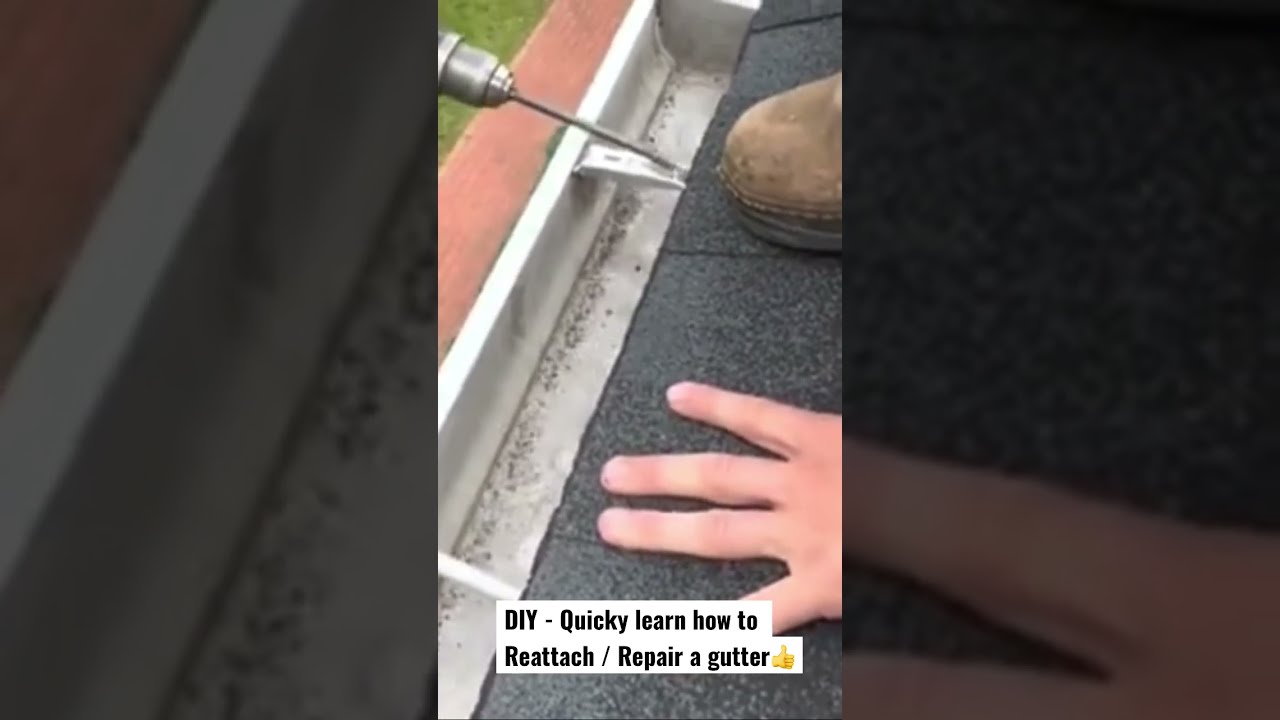
It's hard to judge roof condition from the ground. A qualified roofer will walk the roof, check tiles or sheets for cracks and corrosion, assess the battens and sarking where accessible, inspect flashings and valleys, and look inside the roof cavity for signs of water ingress. Many roofing companies offer an inspection and written quote, and some provide photos so you can see exactly what's going on up there. Getting two or three opinions is a sensible step for a project of this size.

Making the Right Call for Your Home
In short, restoration suits roofs with good bones and tired surfaces, while replacement is the answer when the roof's structure or materials have failed. Sunshine Coast conditions are tough on roofing, so staying ahead of problems with regular inspections, prompt repairs and good maintenance will help you get the most from whichever route you take. Start with a professional assessment from a licensed local roofer, compare detailed quotes, and choose the option that protects your home and fits your budget for years to come.
Sunshine Coast Roof Restoration & Repair
Unit 8/13 Newspaper Pl, Maroochydore QLD 4558
(07) 4145 4576